
Hanging Wallpaper? Here’s Where to Start
Are you considering hanging wallpaper in your home? If so, it’s important to start with the right preparations. In this blog post, we’ll provide some tips on how to get started. We’ll also discuss the different types of wallpaper and what might be best for your specific needs. So if you’re ready to take on this project, keep reading!
Where should you start when hanging wallpaper?
There are many considerations to take into account when hanging wallpaper, from how much pattern and colour you want to include, to ensuring that the seams and corners are straight. Of all these important factors, perhaps the most important is where you start. While there is no right or wrong answer as to where you should begin, some considerations can help you make an informed decision.
For example, if your wall has any irregularities such as bumps or cracks, it may be best to start in a corner to hide them. Additionally, if your design features a particular pattern like stripes or a large motif that extends across more than one strip of paper, then starting at one end will allow you to line up different sections more easily. Ultimately, it is up to you to decide where you will start when hanging wallpaper; just be sure to think carefully about what will work best for your specific needs and preferences.
Wallpapering around awkward corners
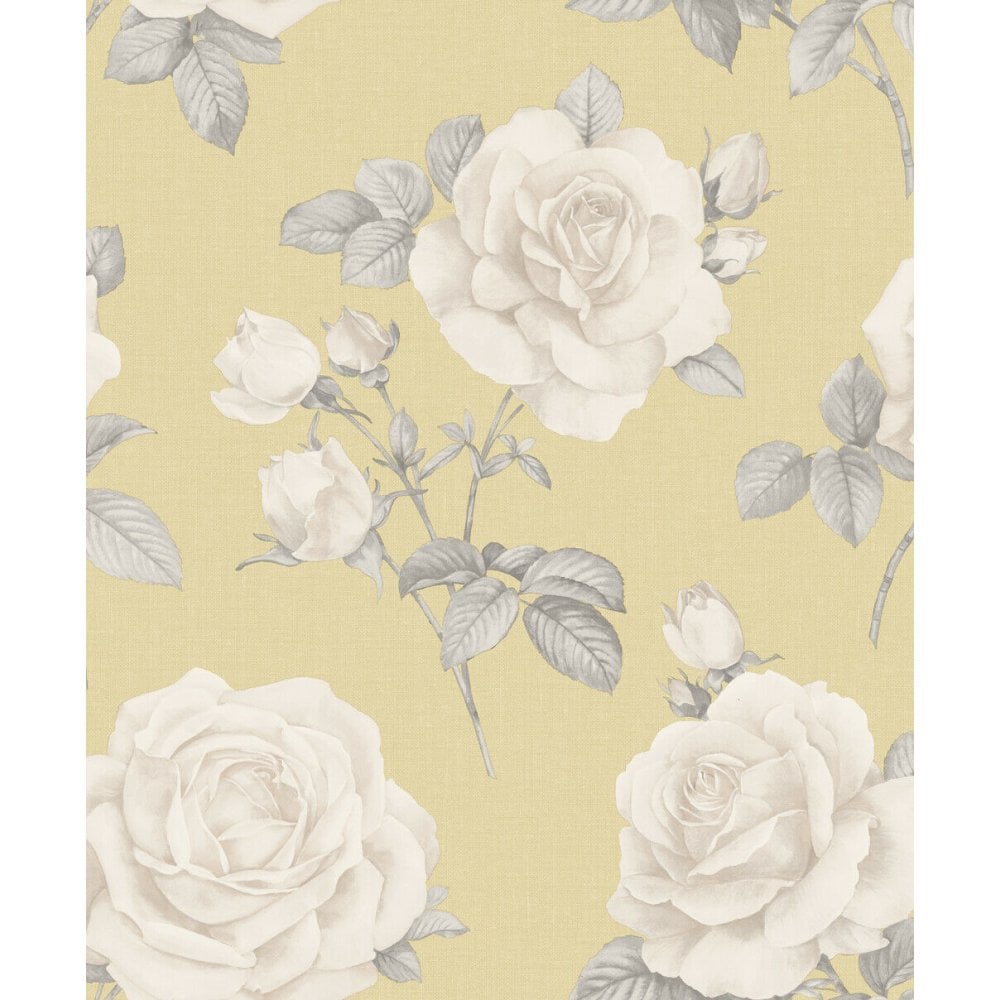
Wallpapering is not always an easy task, especially when it comes to tricky corners and other hard-to-reach areas. But with a bit of patience and some careful planning, it is possible to successfully paper even the most awkward of corners. To do so, you will need to think about both how you want your final design to look and what kind of pattern or style you want to use.
For example, a bold geometric print may work well for a sharp corner that needs to be filled in, while delicate florals or lacy patterns might be better suited for more curvy shapes. Once you have chosen your pattern, measure the area carefully and carefully cut the paper according to your measurements.
Finally, apply plenty of adhesive in the corner where two pieces of wallpaper meet to ensure an even and secure fit. With these simple tips, you should be able to successfully transform any awkward corners into beautiful works of art!
Preventing wallpaper bubbles
When it comes to hanging wallpaper, the last thing you want is for the paper to bubble up or wrinkle once it’s in place. There are several things you can do to prevent wallpaper bubbles from happening, so it’s important to understand what causes these pesky inconsistencies and how to avoid them. Some of the key factors that cause your wallpaper to become uneven include high humidity levels and temperatures, a poorly prepared wall surface, excessive paste on the back of the paper, or not allowing enough time for the adhesive to dry between steps.
To prevent bubbling in your wallpaper, it’s best to choose a low-humidity location for your project. Ensure there is proper ventilation by opening windows and doors, if possible. You should also make sure that your walls are clean and free of debris, such as mastic residue left over from old wallpaper or plaster dust from freshly sanded walls. As you’re pasting your paper onto the wall surface, be sure to use small amounts of wallpaper adhesive at a time instead of slathering on large amounts; this will help ensure that each section dries completely before moving on.
Finally, be sure to leave at least an hour between each step of installation so that the paper has time to settle properly before being smoothed out by hand. By following these simple tips, you can rest assured that your latest DIY project will look great and stay smooth for years to come!
How much wallpaper will I need?
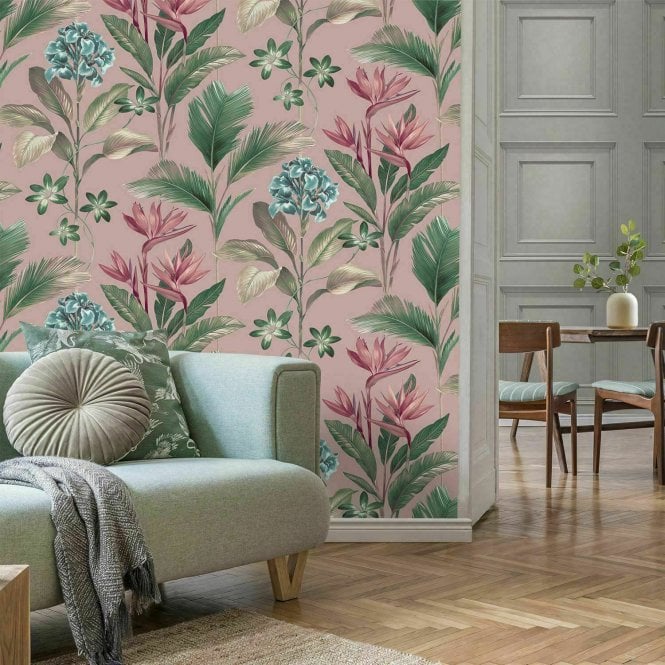
When it comes to choosing the perfect wallpaper for your home, the most important factor is figuring out exactly how much you will need for each room. There are a few different calculations you can use to arrive at an accurate estimate. The width of your walls is generally the main determining factor, as wallpapers are sold by the linear yard. Additionally, you will need to take into account any pattern repeats that may occur throughout the design, as well as cuts that may be necessary around doorways or windows.
You should also take note of any other features or architectural elements in your room that may affect the amount of wallpaper needed, such as crown moulding or interior trim work. By doing some simple calculations and taking all these factors into account, you should be able to get a good idea of how much wallpaper you will need for each room in your home.
FAQs
How do you get a straight line when wallpapering?
One of the most important skills for a DIY enthusiast is the ability to get a straight line when wallpapering. This can be tough, especially if you don’t have much experience with this type of work. However, there are some simple steps that you can follow to ensure that your lines are straight and clean.
The first step is to make sure that your surface is completely smooth and free of bumps or cracks before applying the wallpaper. Any lumps or unevenness in your wall could cause the paper to hang crooked, so use sandpaper or putty to fill in any imperfections before proceeding. Then, you’ll need to carefully measure out each section and mark it with an X on the wall where you plan to start pasting. Once you get going, try to keep an even pressure on your roller as you move along; this will help ensure that you stay on track with your lines and don’t accidentally shift around as you’re working.
Finally, double-check your work once everything is done by standing back at least 10 feet from the wall and looking for any areas where the pattern doesn’t seem quite straightforward. If necessary, re-do these sections until they look good from all angles. With these tips in mind, getting a perfectly straight line when wallpapering should be simple!
When hanging wallpaper should you overlap the seams?
Several factors can impact whether you should overlap the wallpaper seams or not. Some people recommend overlapping the seams for extra durability, as the two sides will be better connected and less likely to tear or peel away from one another. However, others argue that overlapping is not necessary, as it can make the wallpaper more difficult to remove later on. Ultimately, it is up to you to decide whether or not overlap makes sense in your specific situation.
If you are hanging wallpaper in a high-traffic area or one that will see significant moisture such as a bathroom or kitchen, then overlapping may be a good idea. On the other hand, if you are simply papering a bedroom or hallway with standard wall-coating paper, then overlapping may not be necessary at all. So when hanging your next batch of wallpaper, consider all of these factors carefully and choose an approach that is right for you.
How long does it take to wallpaper a room?
When it comes to wallpapering a room, the amount of time required can vary significantly depending on the size of the space and the complexity of the design. On average, it typically takes teams of two people anywhere from one to three days to complete this task. Factors such as the pattern and overall layout of the wallpaper, as well as issues related to cutting or smoothing out creases, will have a big impact on how quickly this process can be completed.
Additionally, if you are experienced at wallpapering or have done it multiple times in the past, this process may be fast and relatively straightforward for you. Ultimately, however long it takes to wallpaper a room will depend on these and other factors specific to your situation. So if you are thinking about investing in some new wallpaper for your home or office space, just be sure to keep in mind that it will likely require some time and effort on your part.
Conclusion
Wallpaper can be a great way to add personality and character to a room, but it’s important to take into account the style of your home and the other decor in the space before making a purchase. By following these simple tips, you’ll be able to hang wallpaper like a pro and create a beautiful and unique space in your home. Have you tried hanging wallpaper in your home? What tips would you add?
Find out more about wallpaper with our hand-picked guides:
- Wallpaper Paste: Disposal, Mixing & More
- Wallpaper Bubbles: How to Get Rid of Them Once and for All
- Can You Wallpaper Over Tiles, Textured Wallpaper, Wallpaper & More?
Comments are closed here.