
How Long Will Wallpaper Take to Dry? (+ Tips to Help It Dry Faster)
Homeowners often choose wallpaper over paint because of the luxurious look it provides. But what happens when you get sick of that pattern or design? How long will it take for the wallpaper to dry so you can start painting? In this blog post, we will go over the drying time for wallpaper as well as some tips to help it dry faster. So read on to learn more!
How long does wallpaper take to dry?
Wallpaper is a popular choice for home decor, but it can be tricky to work with. Different types of wallpaper have different drying times, and the temperature and humidity of your home can also affect how long it takes for your wallpaper to dry. The best way to know for sure is to check the manufacturer’s instructions. They will typically list the recommended drying time for different types of wallpaper.
For example, pre-pasted wallpaper generally dries in 24 hours, while vinyl-coated wallpaper can take up to 72 hours to dry completely. If you are working with a particularly large or delicate piece of wallpaper, it is always best to err on the side of caution and give it extra time to dry. Impatience can lead to wrinkles or air bubbles, which can ruin the look of your walls.
Does textured wallpaper take longer to dry?

Some types of wallpaper can be very difficult to work with, especially if you are not used to them. One type, in particular, is textured wallpaper. This kind of paper has a raised design or pattern on it, which can make it difficult to smooth out when you are putting it up. And once it is up, the texture can make it hard to remove any air bubbles or wrinkles. But does this extra difficulty mean that textured wallpaper takes longer to dry?
In general, no. Most textured wallpapers are made from the same materials as other kinds of wallpaper, so they should dry at the same rate. However, there are a few things you can do to help speed up the process. First, make sure that your walls are clean and free of any dust or debris. This will help the adhesive to stick better and reduce the risk of air bubbles. Next, apply a thin layer of adhesive evenly over the back of the paper. Be careful not to put on too much, as this can cause the paper to wrinkle. Finally, apply gentle pressure to the paper as it dries, using a clean cloth or your hands, to help smooth out any bubbles or wrinkles. With these tips in mind, you should be able to get your textured wallpaper up quickly and without any problems.
How fast does self-adhesive wallpaper take to dry?
Self-adhesive wallpaper is a popular choice for home decoration projects, as it is easy to apply and relatively forgiving of mistakes. However, one important factor to consider before starting your project is the drying time of the adhesive. Depending on the type of adhesive used, self-adhesive wallpaper can take anywhere from a few minutes to a few hours to dry completely.
Water-based adhesives are usually the quickest drying, while solvent-based adhesives may take longer. It is important to allow adequate drying time before hanging the wallpaper, as this will ensure that it adheres properly and does not peel off later. To be safe, always check the manufacturer’s recommendations before beginning your project. With a little planning, you can ensure that your self-adhesive wallpaper dries quickly and evenly, giving you a beautiful finish that will last for years to come.
How to make your wallpaper dry faster
When you have newly applied wallpaper, you probably can’t wait for it to dry so that you can move on to the next step in your wallpapering project. If you want to speed up the drying process, there are a few things you can do. First, make sure the room is well-ventilated. Open windows and doors to allow air to circulate freely. You might also want to put a fan in the room to help circulate the air, if the window is small or nonexistent. Second, avoid using hot water when applying wallpaper paste. Hot water will cause the paste to dry too quickly, which can make the wallpaper less adhesive.
Third, apply a thin layer of paste. A thick layer of paste will take longer to dry than a thin layer. Finally, be patient! Wallpaper can take up to 24 hours to fully dry. Trying to rush the process will only result in frustration. So take a deep breath and relax – your wallpaper will be dry before you know it.
Removing and preventing wallpaper bubbles
Wallpaper bubbles are unsightly and can be difficult to remove. They are caused by several factors, including poor wall preparation, incorrect adhesive, and expansion and contraction of the wall. To remove wallpaper bubbles, start by puncturing it with a needle or razor blade. Then, use a putty knife or other blunt object to gently press the bubble flat. Once the bubble is flattened, apply a layer of joint compound over the area and smooth it out.
For best results, allow the joint compound to dry overnight before painting or wallpapering over it. To prevent wallpaper bubbles in the future, make sure to use the correct type of adhesive for your wallpaper and take care to prepare your walls properly before hanging the paper.
Using too much wallpaper paste
It is important to follow the instructions on the wallpaper paste container when hanging the wallpaper. If too much paste is used, it will seep out from between the seams and make a mess. In addition, the excess paste will make the wallpaper heavier, making it more difficult to hang. The wallpaper may also start to peel if there is too much paste used. If not enough paste is used, the seams will not adhere properly and the wallpaper may come loose.
It is also important to use the right type of paste for the type of wallpaper you are using. For example, pre-pasted wallpaper does not require additional paste, while traditional wallpaper will need to be pasted with an adhesive. Using too much or too little wallpaper paste can result in problems, so it is important to follow the manufacturer’s instructions carefully.
FAQs
Can I use a hairdryer to dry wallpaper?
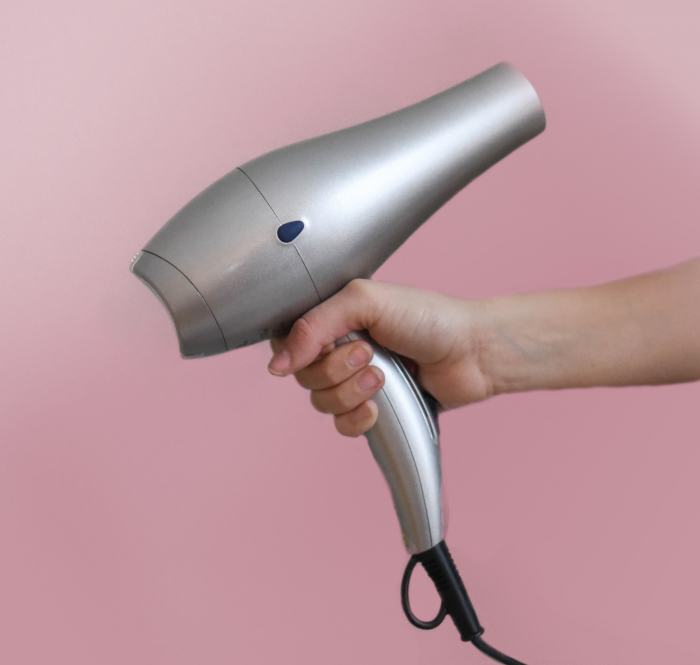
If you are wondering whether you can use a hairdryer to dry your wallpaper, the answer is yes – but only on the low setting. Drying wallpaper with a hairdryer set to high heat can damage the wallpaper and cause it to peel or blister. When using a hairdryer to dry wallpaper, hold it about eight inches away from the surface and keep it moving to avoid concentrated heat build-up. If your wallpaper is very wet, you may need to dry it in sections to avoid overloading the wall and causing problems.
Should you paste the wallpaper or the wall?
It is a common conundrum when hanging wallpaper: should you paste the paper or the wall? There are pros and cons to both methods, so it is important to weigh your options before making a decision. Pasting the wallpaper is typically faster and easier since you do not have to worry about getting an even layer of paste on the wall. However, it can be more difficult to line up the pattern if you are not careful.
Pasting the wall gives you more control over the amount of paste you are using, which can help to prevent bubbles and wrinkles. It is also easier to reposition the paper if you need to make adjustments. Ultimately, the best method for you will depend on your skills and preferences. With a little practice, you will be able to achieve professional-looking results no matter which method you choose.
Conclusion
Wallpaper can take a while to dry, but with these tips, you can help it along. Make sure to avoid getting the wallpaper wet and use a fan or dehumidifier to speed up the process. If you are patient, your new wallpaper will look great when it is finally done!
1ClickWallpapers is one of the UK’s leading suppliers of wallpapers and paint for homes across the UK. Browse our full range of wallpapers and enjoy fast delivery direct to your door.
Alternatively, find out more about wallpapering tips and tricks on the 1ClickWallpapers blog:
- Can You Recycle Wallpaper? Everything You Must Know
- Are You Wallpaper Ready? Here’s Your Checklist
- Wallpaper Paste: Disposal, Mixing & More
Comments are closed here.